Whole-House Renovation vs New Construction: What Makes More Sense in the U.S. Market?
Homeowners in the United States often face a major dilemma: should they renovate an existing home or build a new one from scratch? Both options come with advantages, challenges, and cost considerations. Understanding the trade-offs is crucial for making a financially and personally satisfying decision. This guide examines whole-house renovations versus new construction, with a focus on U.S. market trends, costs, and long-term benefits.
1. Defining the Options
Whole-House Renovation
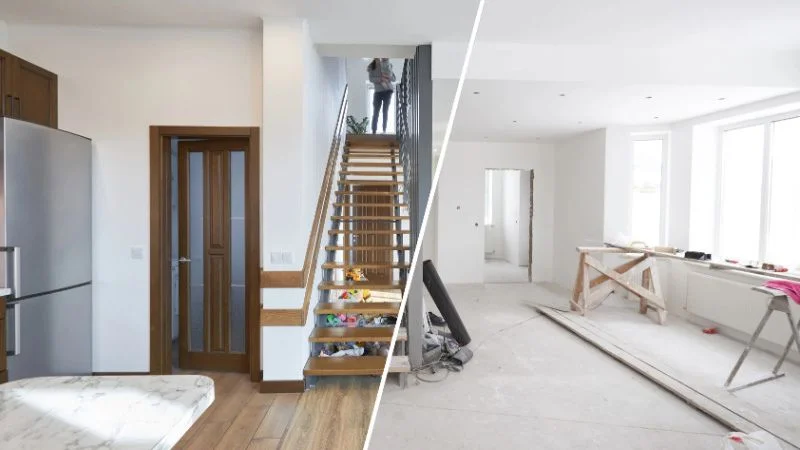
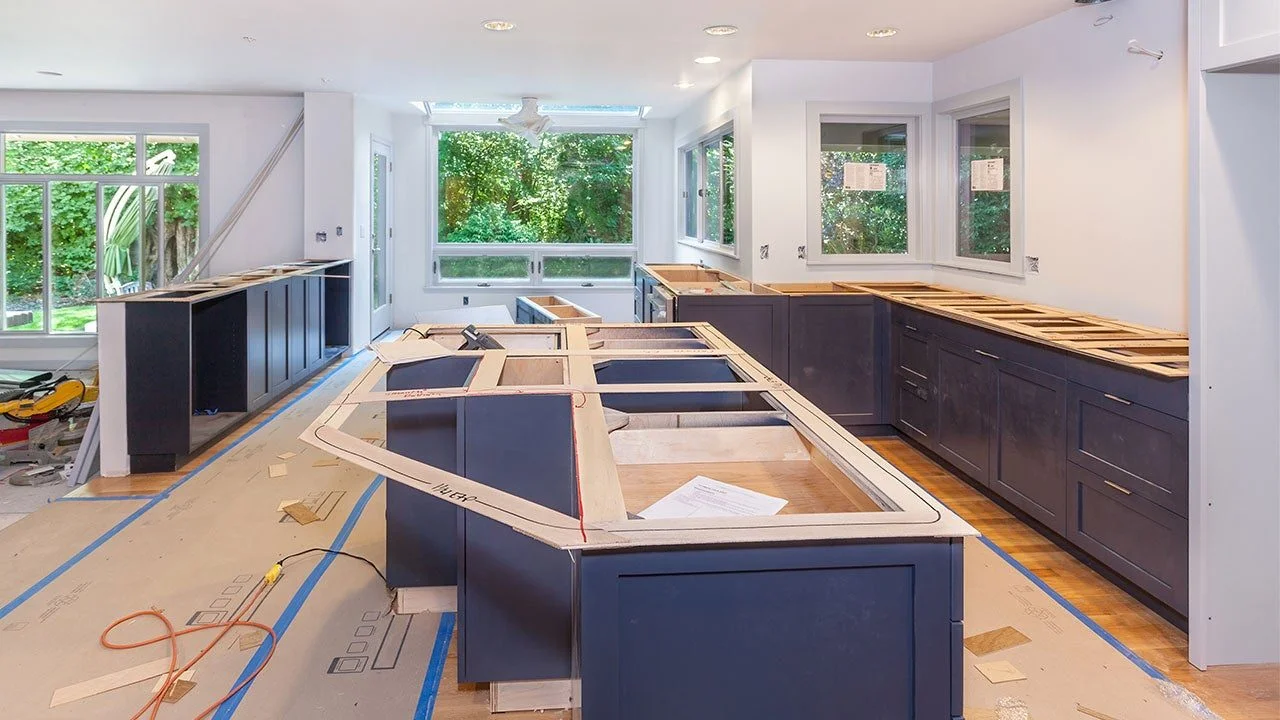
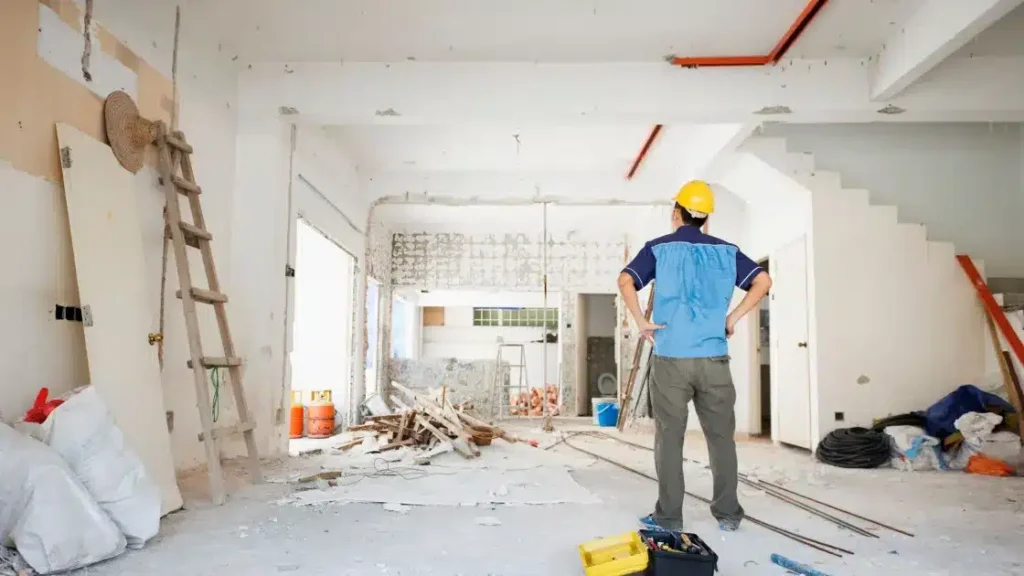
A whole-house renovation involves updating, remodeling, or modernizing an existing property. This can range from structural upgrades and kitchen/bathroom remodeling to energy efficiency improvements and aesthetic enhancements.
New Construction
New construction means purchasing land (or using existing property) and building a home from the ground up. This option allows complete customization but requires careful planning, permits, and higher initial investment.
2. Cost Considerations
Whole-House Renovation
- Average U.S. cost: $100–$400 per square foot, depending on scope and materials.
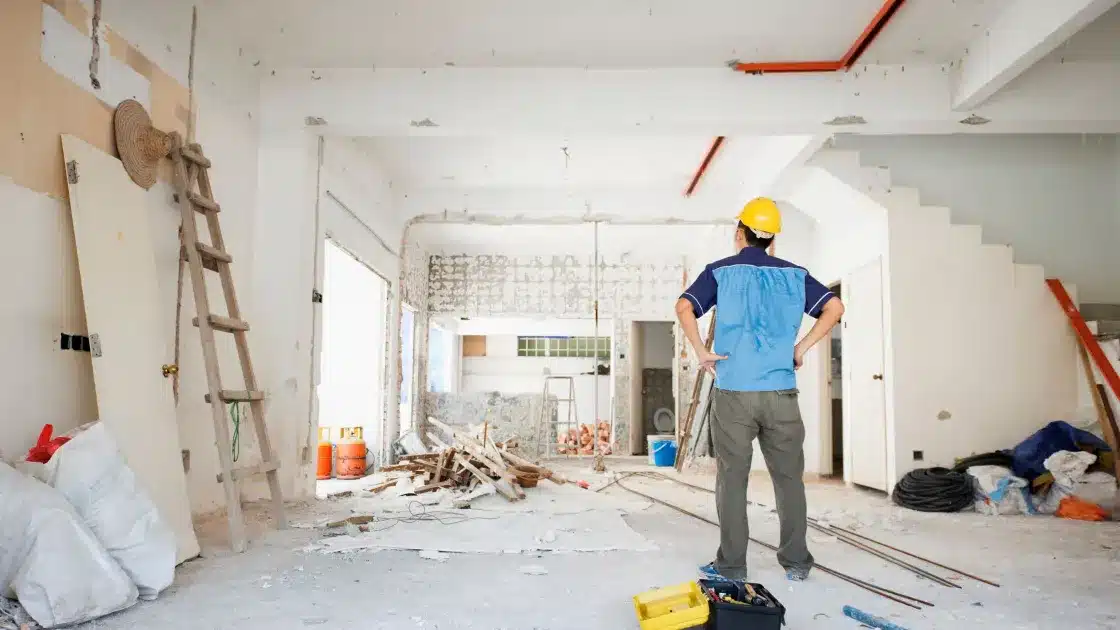
- Renovating an older home can uncover hidden issues such as foundation damage, outdated electrical systems, or plumbing failures, potentially increasing costs.
- Renovations may allow for staged spending, completing rooms over time.
New Construction
- Average U.S. cost: $200–$500 per square foot, depending on location and quality.
- New builds often provide predictable costs, especially with fixed bids from contractors.
- Financing may differ, as some banks require separate construction loans, which can add complexity.
Decision Insight: Renovations can sometimes save money upfront but carry risks of surprise expenses. New construction offers control over costs but demands a higher initial investment.
3. Timeline and Convenience
Whole-House Renovation
- Renovation timelines vary from 3 to 12 months or more, depending on project size.
- Living in the home during renovation is possible but disruptive. Families may need temporary accommodations.
New Construction
- Typically takes 9 to 18 months for a complete home.
- Building from scratch avoids the challenges of living in a construction zone but requires patience for permit approvals, inspections, and contractor scheduling.
Decision Insight: Renovation can be faster for minor updates but may drag on for larger structural or historic properties. New construction provides a fresh start but requires long-term planning.
4. Customization and Design
Whole-House Renovation
- Offers partial customization but is limited by the existing structure, foundation, and layout.
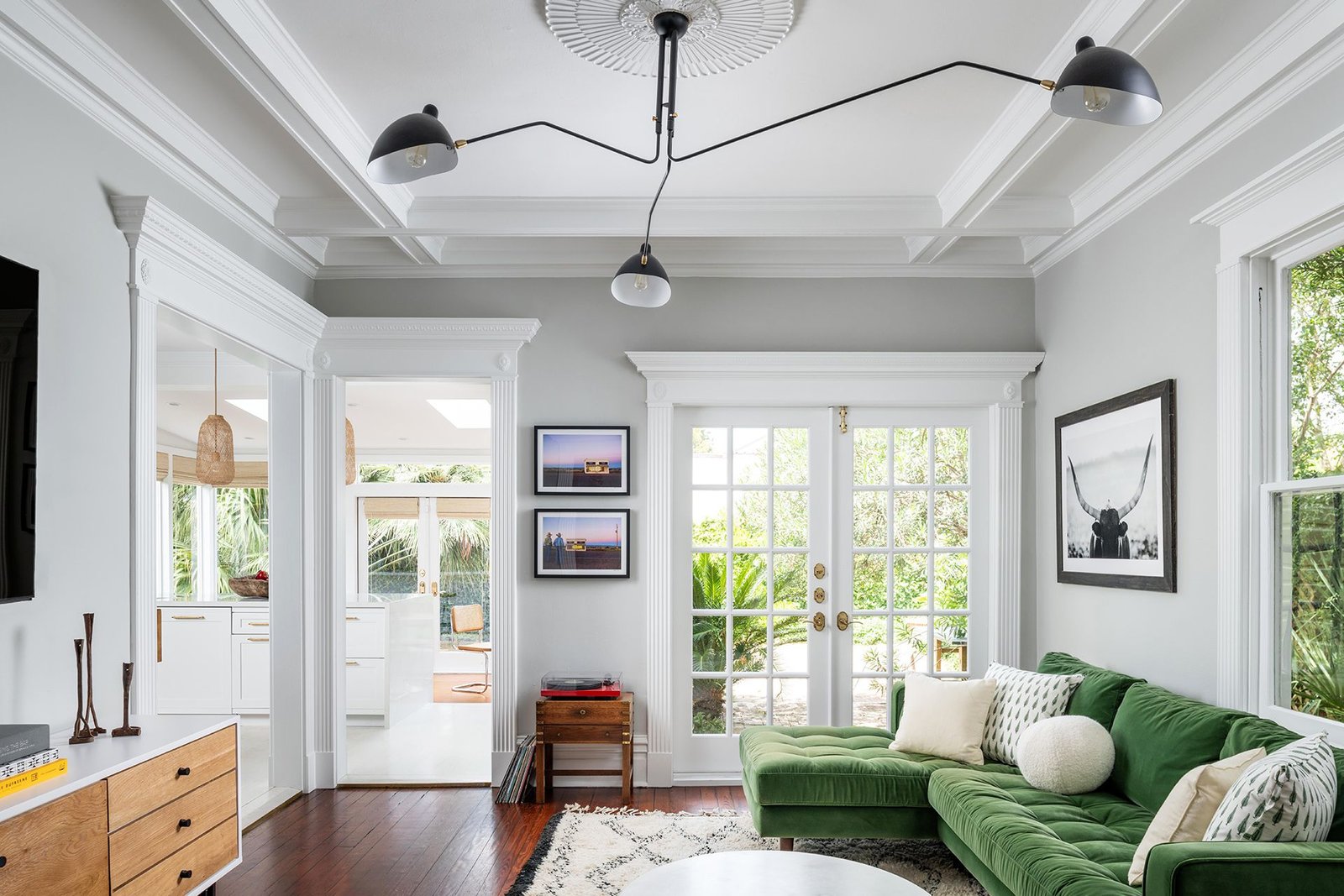
- Older homes may have unique architectural features that are preserved or adapted.
New Construction
- Full freedom in design: floor plans, materials, and finishes can match exact preferences.
- Opportunities to integrate smart home technology, energy-efficient systems, and modern architectural styles from the start.
Decision Insight: If personalization is a priority, new construction allows for greater control and design cohesion. Renovation may require compromises.
5. Value and Resale Considerations
Whole-House Renovation
- Renovating in a desirable neighborhood can maximize property value while maintaining location advantages.
- Over-improving relative to comparable homes may not yield a full return on investment.
New Construction
- A newly built home can command premium prices, especially if located in growing or high-demand areas.
- Energy-efficient features, modern layouts, and updated technology add appeal for future buyers.
Decision Insight: Renovations can enhance value but may not significantly increase market price. New construction often offers higher long-term appreciation, particularly in trending locations.
6. Sustainability and Efficiency
Whole-House Renovation
- Upgrading insulation, windows, and HVAC systems improves efficiency.
- Preserving the original structure reduces material waste and environmental impact.
New Construction
- Incorporates energy-efficient design from the start, including solar, smart systems, and sustainable materials.
- Potentially higher initial environmental footprint due to construction, but long-term savings offset costs.
Conclusion
Choosing between a whole-house renovation and new construction depends on budget, lifestyle, and long-term goals. Renovation preserves character, may be less expensive upfront, and suits established neighborhoods. New construction offers complete customization, modern features, and potentially higher resale value. U.S. homeowners should weigh costs, timelines, design flexibility, and market trends before committing to ensure the decision aligns with personal and financial priorities.