How to Renovate an Older Home in the USA Without Losing Its Character
Older homes in the United States often have unique architectural details, from crown molding to hardwood floors and custom brickwork. Renovating these homes can be challenging, as modern upgrades may conflict with historic charm. Homeowners must balance preservation with comfort, energy efficiency, and contemporary design. Here’s a comprehensive guide to renovating older homes in the U.S. while maintaining their character.
1. Assess the Structure First
Older homes often hide structural issues that can derail renovations:
- Foundation concerns: Cracks, settling, or water damage may require professional inspection.
- Electrical and plumbing: Outdated wiring and pipes can be hazardous and need modernization.
- Roof and insulation: Aging roofs and poor insulation affect energy efficiency.
Tip: Hire licensed inspectors to identify issues before starting cosmetic renovations. Addressing these foundational problems first ensures safety and long-term value.
2. Preserve Key Architectural Features
Historic homes often feature elements that define their character:
- Crown molding, wainscoting, and built-in cabinetry
- Hardwood flooring, exposed beams, or original staircases
- Decorative brick or stonework
Tip: Restore rather than replace when possible. Refinishing original floors or repairing woodwork maintains authenticity and adds market appeal.
3. Update Systems Sensibly
Modern systems are essential for comfort and efficiency but must be integrated subtly:
- HVAC upgrades: Consider discreet ductwork or mini-split systems to avoid visible disruption.
- Electrical rewiring: Upgrade to meet code while maintaining historic light fixtures.
- Plumbing: Replace old pipes with modern materials, keeping exposed plumbing minimal.
Tip: Upgrade for safety and efficiency, but match finishes and design to the home’s era.
4. Choose Period-Appropriate Materials
Maintaining the home’s style helps retain value:
- Windows and doors: Replicate original designs with energy-efficient materials.
- Cabinetry and tile: Match patterns, colors, and materials that complement the home’s era.
- Paint and finishes: Research historical palettes and textures.
Tip: Modern materials can mimic older aesthetics while providing durability and lower maintenance.
5. Incorporate Modern Conveniences Carefully
You don’t have to sacrifice comfort for authenticity:
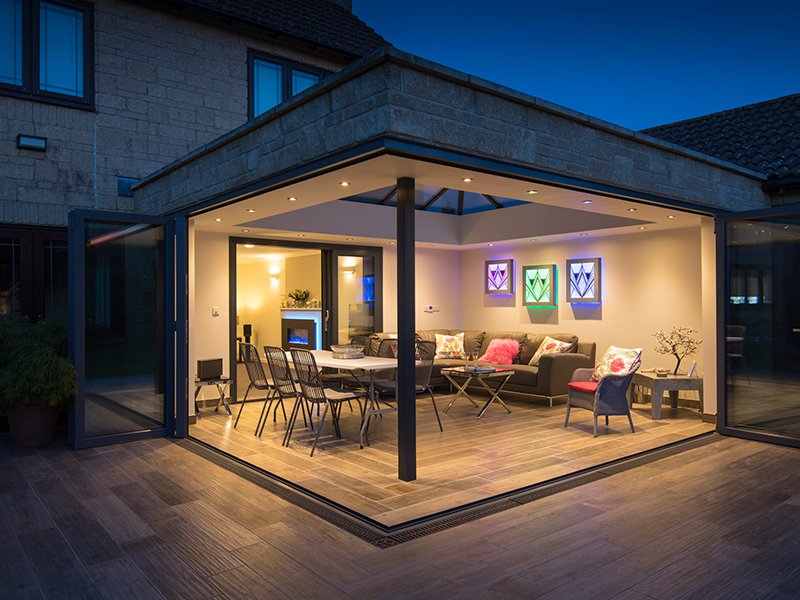
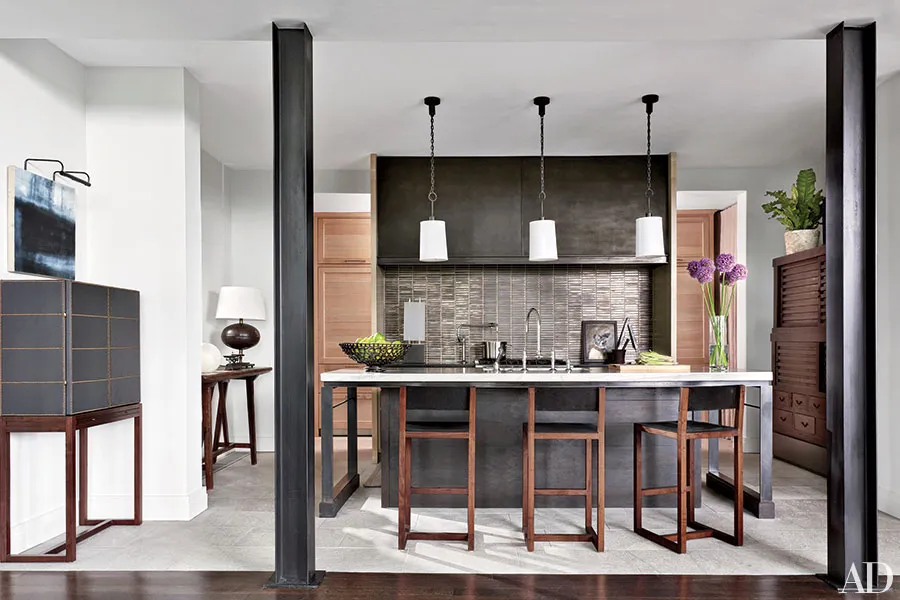
- Open kitchen layouts can be integrated without destroying historic walls.
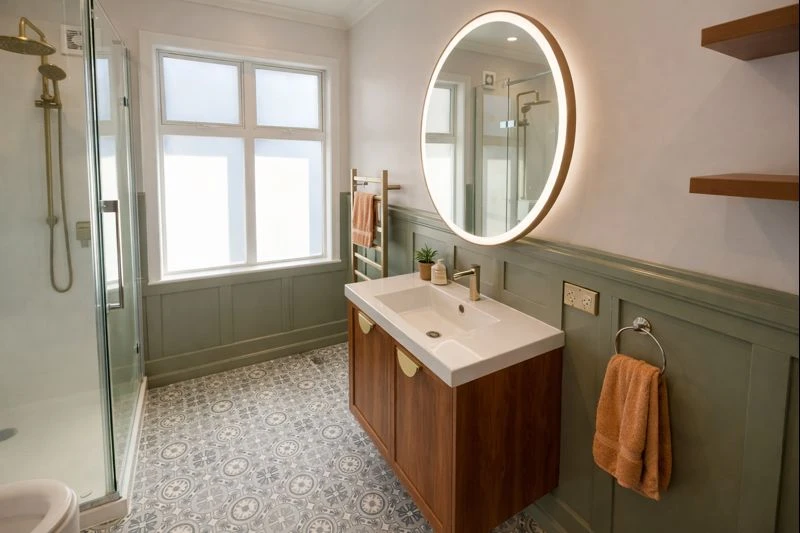
- Modern bathrooms with spa-like features can retain period charm with tile choices and fixtures.
- Smart home features like lighting, climate control, and security can be concealed within trim or cabinetry.
6. Work With Specialists
Restoring older homes is a niche skill. Experienced contractors, architects, or designers with historic renovation expertise can guide decisions:
- Avoid contractors unfamiliar with older materials.
- Obtain any required permits, particularly if the home is in a historic district.
- Ensure compliance with local building codes.
Conclusion
Renovating older homes in the U.S. requires a delicate balance between preserving character and adding modern functionality. By prioritizing structural integrity, restoring key features, updating systems carefully, and integrating contemporary conveniences thoughtfully, homeowners can enjoy a home that honors its history while meeting modern needs. The result is a timeless residence that retains charm and value for generations.